
Welcome my-o Function
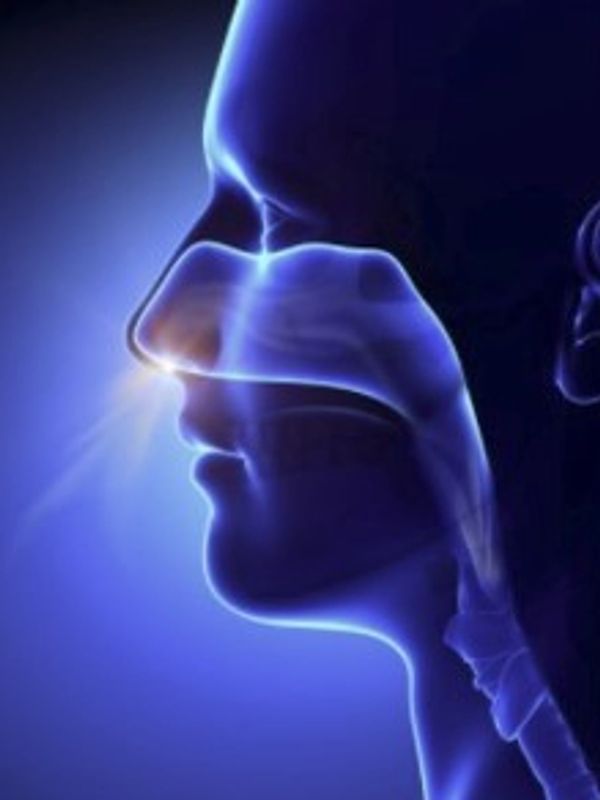
Why Myofunctional Therapy?
💡
When Myofunctional Therapy entered my life, it was like the lightbulb came on. Prior to learning about the tongue's important role, I didn't have a good explanation for why my patient clenched or grinded their teeth or why their teeth were becoming more crowded. I easily recommended a nightguard and an orthodontic consult, but these recommendations were just a band-aid and didn't fix the root cause. I didn't understand the functional reason for these changes. I only knew what I had been taught but I wanted to get to the bottom of the functional reasons and furthermore was there something I could do to educate my patients and help prevent these issues.
I soon learned that a tongue which was not functioning properly could cause all sorts of issues for my patients, from airway issues to periodontal disease, TMJ issues to Migraines, Crooked Teeth, Facial Deformation, Digestive issues to sleep disordered breathing and sleep apnea.
Finally, a functional answer. I could connect the dots. And I realized this is SIGNIFICANT information and it could even save a life!!!!
Now that I have been extensively educated on the signs, symptoms, and the physical therapy to help correct Orofacial Myofunctional Disorders and help the tongue, and facial/neck muscles work functionally, my patients can get relief they never thought possible. And the earlier we assess these OMD's the better the outcomes and prevention of Heart Disease, Diabetes, and Sleep Apnea!

Laurie Kunert RDH, EP, OMT
As a registered Dental Hygienist for over 20 years, Laurie has seen a variety of patients young and old, healthy to diseased. She has treated the patient who loves to go to the dental office, and she has treated the one who is so anxious it's a miracle they make it into the waiting room. Laurie has a passion for educating and caring for her patients. She loves to know their story and help to change the course of their life in a positive way.
Laurie believes patients deserve to know all their options and have access to education so they can make an informed decision about their health. It's important to function optimally so you can feel good in your day-to-day life with the long-term goal of living life to the fullest.
At My-O Function & Expert Smiles, we are dedicated to promoting healthy smiles and optimal oral & systemic function. Our team combines expertise in myofunctional therapy and functional medicine to provide comprehensive care.

Laurie is an active member of the ADHA and the ODHA
Laurie is a MyoMentor Graduate
Retrain Your Muscles, Reclaim Your Health: A Guide to Myofunctional Therapy What is Orofacial Myofunctional Therapy (OMT)?
Think of Orofacial Myofunctional Therapy as physical therapy, but for the muscles of your face, mouth, tongue, and throat. Just as a physical therapist retrains a knee or shoulder to move properly after an injury, a myofunctional therapist uses targeted, specialized exercises to build muscle tone, eliminate harmful oral habits, and restore ideal resting and swallowing patterns.
When the delicate balance of these facial muscles is disrupted, it leads to Orofacial Myofunctional Disorders (OMDs). OMT goes beyond aesthetics—it fixes the foundational mechanics of how you breathe, eat, sleep, and speak.
The Core Blueprint: The Four Goals of OMT
Every single therapeutic plan is systematically built around achieving four life-changing functional milestones. When these four core patterns work together harmoniously, they support craniofacial development and whole-body systemic health.
1 ── Nasal Breathing (Day & Night)
2 ── Relaxed Lip Seal (No Chin Strain)
3 ── Palate Tongue Posture (Roof of Mouth)
4 ── Correct Swallowing (Palatal Sweep)
Spotting the Signs: Characteristics of OMDsOMDs are remarkably common, yet they often fly under the radar. Your body is incredibly adaptive; if your oral muscles cannot function properly, it will develop subconscious habits and physical changes to compensate. Look out for these telltale characteristics:
- Chronic Mouth Breathing: Walking or sleeping with the mouth open instead of breathing through the nose.
- The "Low" Tongue: The tongue resting on the floor of the mouth or pushing flat against the front teeth, rather than suctioned comfortably to the roof.
- Tongue Thrust Swallowing: The tongue forcefully pushing forward against or between the teeth when swallowing a sip of water or food.
- Messy Eating or Speech Changes: Frequent choking, loud chewing, or speech impairments like a persistent lisp.
- Facial and Jaw Tension: Chronic clenching, grinding (bruxism), or unexplained pain in the jaw joints (TMJ) and neck.
- Anatomical Changes: An elongated face shape ("Long Face Syndrome"), a short or tight upper lip, or orthodontic relapse where straightened teeth shift back out of alignment.
Can You Pass the Test? A Quick Self-Screening Checklist
OMDs often disguise themselves as "normal" daily habits. Go through this quick checklist to see if you or your child could benefit from a myofunctional assessment.
- [ ] The Open-Door Test: Do you catch yourself or your child watching TV, scrolling on a phone, or driving with your mouth resting open?
- [ ] The Water-Swallow Test: Take a sip of water and swallow it while looking in a mirror. Do your lips tighten, pout, or strain? Does your chin bunch up like a golf ball? (If yes, your tongue is thrusting forward, and your facial muscles are compensating to force the liquid down).
- [ ] The Pillow Check: Do you frequently wake up with a wet pillow from drooling, or a completely dry, parched mouth and throat?
- [ ] The Noisy Eater: Do you or your child chew loudly, make smacking noises, or frequently choke/cough while eating or drinking?
- [ ] The Dental Warning: Have your teeth shifted back out of alignment after years of braces? Do your front gums look red, swollen, or bleed easily when brushing?
- [ ] The Snore & Stare: Do you struggle with daytime fatigue, brain fog, morning headaches, or loud snoring at night?
If you checked two or more boxes, your oral muscles may be misaligned, and myofunctional therapy can help.
Every Saturday

Details of the 4 goals of Myofunctional Therapy
1. Habitual Nasal Breathing
- The Goal: Breathing exclusively through your nose all day and all night.
- Why It Matters: The nose filters, warms, and humidifies incoming air. Crucially, nasal breathing triggers the release of nitric oxide, a vital molecule that dilates blood vessels, improves lung oxygen absorption, and protects cardiovascular health.
- The Sleep & Growth Hormone Connection: Mouth breathing during sleep collapses the airway, forcing the body into shallow, fragmented breathing or survival-driven mini-awakenings (sleep apnea). This eliminates the body's ability to stay in Slow-Wave Sleep (Stage 3 Deep Sleep). Up to 75% of your daily Human Growth Hormone (HGH) is secreted by the pituitary gland during these undisturbed periods of deep sleep. Clinical studies show that restoring deep sleep through nasal breathing directly increases nocturnal growth hormone secretion.
- In Children: A lack of nocturnal HGH caused by sleep-disordered mouth breathing often results in "failure to thrive," stalled physical growth, and delayed bone development. Restoring nasal breathing frequently triggers a sudden, healthy physical growth spurt.
- In Adults: Proper nocturnal HGH release is absolutely vital for muscle repair, cellular regeneration, maintaining bone density, and regulating fat metabolism.
2. A Comfortable Lip Seal & Toning the Orbicularis Oris
- The Goal: Lips should rest naturally and lightly sealed together when you are not eating or speaking.
- Why It Matters: Sealed lips act as a physical barrier that reinforces nasal breathing. It prevents dry mouth, significantly lowering your risk for tooth decay, gum disease, and sleep disturbances.
- The Cascade of Mouth Breathing (From Mouth to Lungs): When lips remain separated, the body loses the protective filtration of the nasal passage. This triggers a dangerous domino effect across multiple biological systems:
- Inflamed Tonsils & Adenoids: A lack of lip seal forces cold, dry, unfiltered air—loaded with dust, allergens, and germs—to crash directly into the back of the throat. The tonsils and adenoids must work overtime to trap these invaders. This constant exposure causes chronic irritation and inflammatory swelling (hypertrophy), which paradoxically blocks the airway further and worsens the cycle of mouth breathing.
- Gingivitis & Bacterial Shifts: Open-mouth posture rapidly evaporates saliva. Saliva is your mouth’s natural defense system; it washes away food particles, neutralizes destructive acids, and controls bacterial levels. Without it, a parched environment allows plaque to harden and bad bacteria to multiply uncontrollably. This consistently manifests as localized gingivitis—characterized by red, swollen, and bleeding gums, especially along the front teeth.
- The Airway-Lung Pipeline: As harmful periodontal bacteria proliferate in the dry oral cavity, they form microscopic droplets in your secretions. When you mouth-breathe, these aggressive oral pathogens can be directly aspirated (inhaled) into the lower respiratory tract. Once in the lungs, these bacteria can multiply, damage defensive mucosal linings, and trigger or worsen serious respiratory conditions like pneumonia, bronchitis, and systemic lung inflammation.
The Power of Myo Exercises: You cannot simply "force" your mouth closed through sheer willpower—the muscles physically lack the endurance to hold that position if you are used to mouth-breathing. Myofunctional therapy uses targeted resistance training to reshape and strengthen the ring-shaped muscle around your lips (the Orbicularis Oris). By building up its resting endurance, keeping your lips gently sealed requires zero mental effort—even while you are deep asleep. It also stops the chin muscle (mentalis) from overworking, relaxing facial tension and smoothing out a dimpled, "pebbled" chin profile. 3. Ideal Tongue Posture & Craniofacial Development
- The Goal: The entire tongue—from the tip all the way to the back—should suction completely and gently against the roof of the mouth (the palate) at rest.
- Why It Matters: The tongue is the ultimate architect of the human face. When resting on the roof of the mouth, it serves as an internal scaffold, physically counteracting the inward pressure of the cheeks and molding the shape of the upper jaw.
- The Structural Collapse of a "Low" Tongue: When the tongue drops to the floor of the mouth, the upper jaw loses its structural support system. This triggers a profound skeletal and functional collapse:
- Narrowed Dental Arches & Crowding: Without the wide, shaping force of the tongue, the upper jaw collapses inward, becoming narrow and V-shaped instead of a wide, healthy U-shape. This leaves zero room for teeth to grow straight, resulting in severe orthodontic crowding, high-vaulted palates, and expensive dental relapses.
- Airway Compression and Long-Face Syndrome: As the palate pushes upward into a high vault, it physically steals space from the nasal cavity directly above it, restricting nasal airflow. Concurrently, a low-resting tongue drops backward into the throat, severely compressing the upper airway. To avoid suffocation, the body alters its posture—repositioning the head forward and dropping the jaw open. Over time, this forces the facial skeleton to grow downward rather than outward, resulting in an elongated face shape, recessed jawlines, and chronic airway obstruction.
- The Power of Myo Exercises: Myofunctional therapy isolates the internal muscles of the tongue (intrinsic and extrinsic lingual muscles). Exercises build muscle tone, coordination, and a localized suction bond to the palate. This effectively transforms the tongue from an airway-obstructing weight into a natural, life-long internal expander that stabilizes the airway and supports skeletal balance.
4. Correct Swallowing Patterns & Digestive Health
- The Goal: A "closed-mouth, smooth wave" swallow where the tongue moves up and back against the palate, without pushing forward against the teeth or requiring the lips, cheeks, and neck to tense up. [1, 2]
- Why It Matters: Humans swallow roughly 600 to 2,000 times a day. Every time you swallow, your tongue exerts up to several pounds of localized pressure. If that pressure is misdirected, it wreaks havoc on your body. [1]
- The Vagus Nerve Connection & Priming the Gut: A correct swallowing pattern is more than a mechanical movement—it is the biological trigger for your gastrointestinal tract. When the tongue firmly presses up and sweeps against the roof of the mouth, it stimulates the nerve endings at the "spot" behind your front teeth. This structural movement activates the vagus nerve (Cranial Nerve X), the main superhighway of the parasympathetic "rest and digest" nervous system.
- Forewarning the Digestive Organs: This vagal stimulation acts like an early-warning signal to your entire digestive system. Before food or liquid even hits your stomach, the vagus nerve alerts your digestive organs that nourishment is on the way. It immediately kickstarts peristalsis (the coordinated, wave-like muscle contractions that move food smoothly through your tract) and prompts your stomach to release optimal digestive enzymes and acids. [1, 2, 3, 4, 5, 6, 7]
- The Hidden Destructiveness of a Tongue Thrust: When a patient suffers from an incorrect swallowing pattern, the tongue shoots forward or sideways against the teeth (a tongue thrust) rather than sweeping backward.
- Orthodontic Destruction: Swallowing thousands of times a day by pushing against the teeth acts like a relentless, aggressive set of braces pushing your teeth out of alignment. It creates open bites, overjets, and ensures that orthodontic work will continually fail or shift once braces are removed.
- Aerophagia and Sluggish Motility: Because a tongue-thrust swallow bypasses the proper palatal pressure, the vagus nerve is under-stimulated. Without that crucial neurological "heads-up," your digestive organs are left unprepared, resulting in sluggish digestion and poor gut motility. Furthermore, the lack of an airtight seal forces you to gulp, causing aerophagia (the involuntary swallowing of air pockets). This trapped air combined with slow motility manifests as chronic bloating, painful gas, loud burping, and acid reflux (GERD). [1, 2, 3, 4, 5]
The Power of Myo Exercises: OMT systematically breaks down the old, destructive neuromuscular swallowing reflex. Exercises train the tip, middle, and back of the tongue to execute a flawless "palatal sweep". By automating this correct wave pattern, we tone your vagus nerve with every swallow, waking up your digestive system and bringing profound relief to your entire gastrointestinal tract. [1, 2, 3]
Sunday Supper Club
Every Sunday
Evenings in the Park
First Friday of the Month
Morning Brews & Views
Every Saturday
Perioperative OMT: Why Surgery Alone Isn't Enough
For structural boundaries like a tongue-tie (ankyloglossia), a surgical procedure (frenulectomy/frenuloplasty) is often required to physically free the tongue. However, surgery only fixes the restriction—it does not fix the muscle memory. If a tongue has been tied for 10, 30, or 50 years, it has developed deep neurological compensations. Cutting the tissue gives the tongue freedom, but it still doesn't know how to move properly.To achieve lasting success, Myofunctional Therapy acts as a mandatory pre- and post-operative roadmap.Before Surgery: Building the Foundation
- Identify Compensations: A tied tongue forces other facial, jaw, and neck muscles to work overtime to assist in speaking and chewing. Pre-operative therapy maps out and begins relaxing these hyperactive muscle chains.
- Build Muscle Tone & Range of Motion: We isolate and exercise the individual muscle fibers of the tongue before the structural release. This thickens and strengthens the muscle tissue, ensuring it is prepared for heavy lifting once freed.
- Prepare the Neuromuscular Pathways: Introducing coordination drills before surgery establishes a "neurological blueprint." Your brain learns how to direct the tongue through its new range of motion ahead of time, dramatically speeding up recovery.
After Surgery: Rehabilitation & Retraining
- Wound Care & Scar Management: The mouth heals faster than almost any other part of the body. Without active, gentle post-operative stretching and lifting exercises, the newly released tissue will violently contract, creating restrictive scar tissue or re-attaching entirely. OMT keeps the surgical site open and supple.
- Functional Integration: Now that the tongue has full mobility, it must learn what to do with it. We actively cement the "Four Goals," converting your newfound structural freedom into a natural, permanent habit.
- Permanent Relief: This final phase ensures you see radical, permanent improvements in sleep quality, effortless nasal breathing, jaw joint comfort (TMJ), posture, and overall systemic health.
Quality First
We deliver exceptional results in everything we do, ensuring your satisfaction at every step.
Expert Care
Our experienced team brings skill and passion to every project, no matter the size.
Real Results
Proven outcomes that speak for themselves and make a meaningful difference for your business.
Welcome to my-o Function

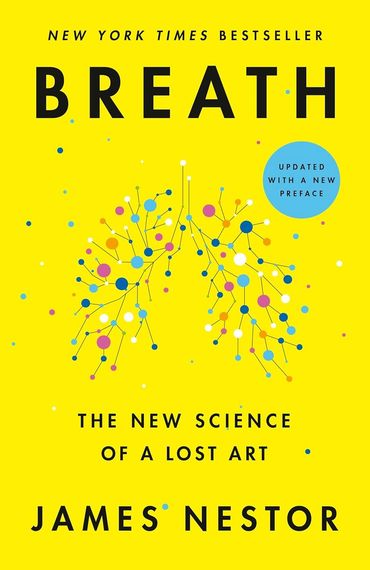
Recommended Books






Laurie is also a practicing EP dental hygienist
Our Vision
Our mission is to provide customized uncompromised dental hygiene care and treating our patients like family.
Our Services
We offer a wide range of services that are designed to meet the needs of our patients including dental cleanings, whitening, dental sealants, silver diamine fluoride application to arrest decay, and periodontal treatment in a comfortable setting.
Fee for Service
We can help you process your own dental hygiene services if you have insurance by providing you a superbill.